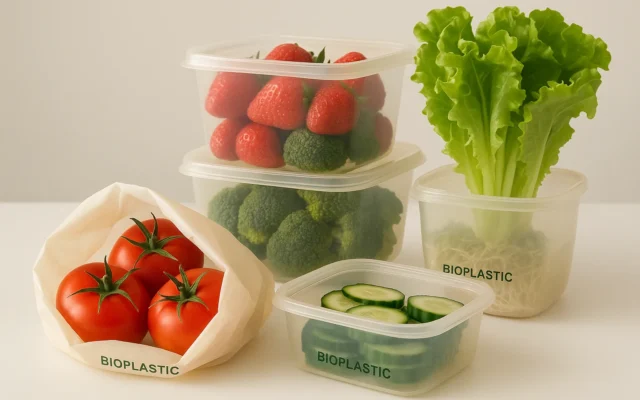
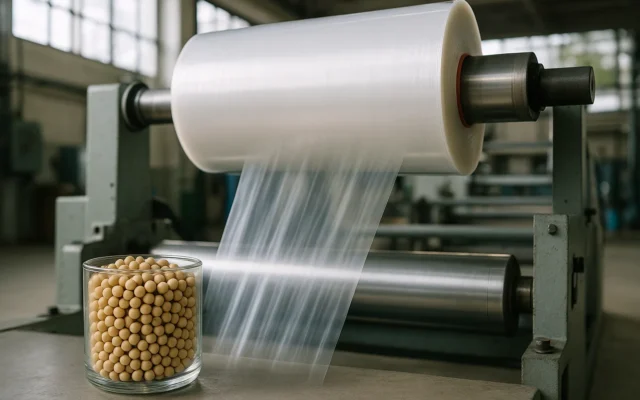
A Singapore startup has launched a blockchain biodegradable packaging system that records every sustainability claim in a tamper-proof ledger. Each package carries a QR code linking to material origin, certification status and disposal instructions. With Singapore’s National Environment Agency, the system also tracks what actually happens in composting facilities using IoT sensors.
The problem it addresses
Biodegradable packaging is projected to pass $28 billion by 2030, and a 2024 European Commission investigation found 53% of environmental claims on packaging vague or misleading. Unverifiable claims damage the companies making honest ones as much as anyone.
Singapore generates 1.76 million tonnes of solid waste a year and has deliberately made itself a testbed for sustainable packaging.

Three layers of verification
The first layer records material provenance on the blockchain: feedstock origin, polymer type and additives. The second holds certification and compliance data from third-party laboratories.
The third is the one that has not existed before. IoT sensors in composting facilities measure actual decomposition and write the results back, so a claim can be checked against what the material did rather than what it was certified to do. Rollout starts in food and beverage at S$0.02 to 0.05 per package.
Who benefits
Manufacturers with genuine credentials get a way to prove them, which is worth most to the companies currently undercut by cheaper unverified claims. Composting operators gain too, since knowing which materials perform as specified improves end-of-life processing planning.
Expansion
Malaysia, Thailand and Japan are planned for late 2026, and European retailers are in discussions about digital product passports. More on biodegradable materials in our Knowledge Zone on Applications.