Enzyme-Embedded Plastic: Materials That Digest Themselves
Plastic that carries the enzymes needed to digest itself is no longer hypothetical. A review in ACS Applied Bio Materials by Sun S and colleagues covers the state of enzyme…
Read ArticleMore Articles
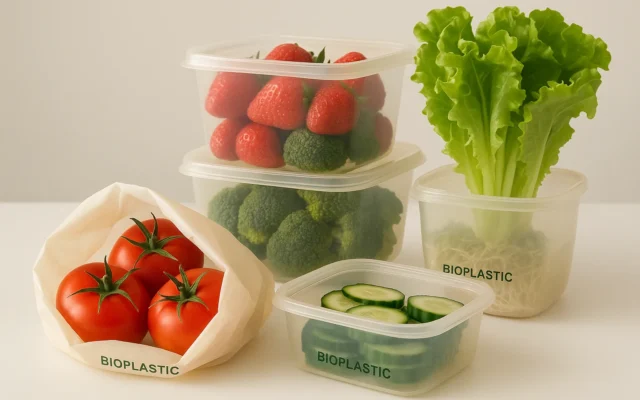
Next-Generation Bioplastics for Food Packaging: Materials and Applications
Bioplastics are moving into food packaging faster than into any other sector. A review in Materials by Shi X, Cui…
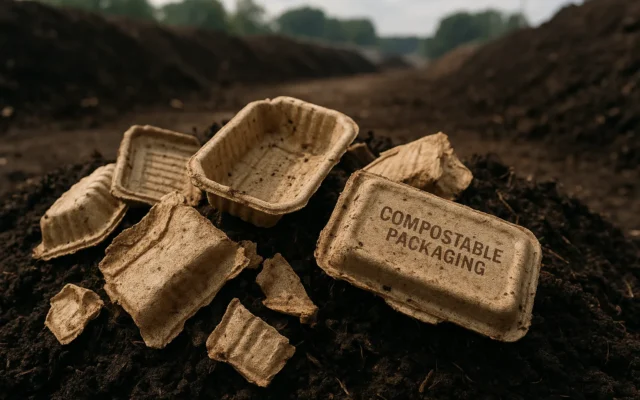
Compostable Packaging in Industrial Practice: What the Data Shows
Compostable packaging is supposed to break down alongside food waste. Whether it does so in a working composting plant, rather…
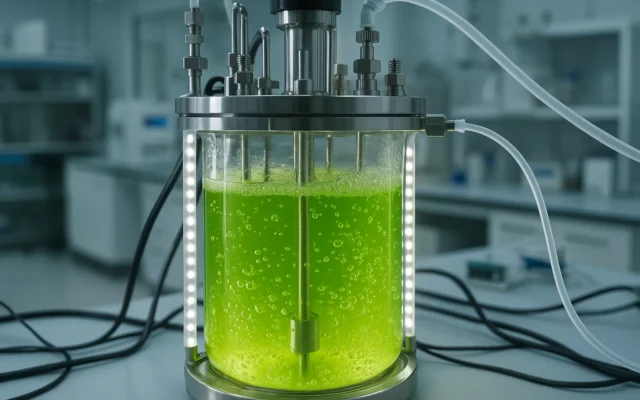
Light-Powered Bacteria Turn CO2 Into Bioplastic
Bacteria fed nothing but carbon dioxide and visible light have produced biodegradable plastic in the laboratory. The study, published in…
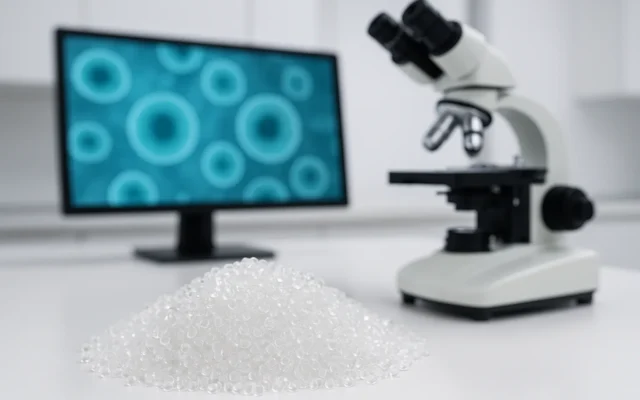
Are Bioplastics Safe? What PLA Nanoplastics Do to Living Cells
Polylactic acid (PLA) has the best reputation of any plastic: plant-derived, compostable, used in everything from food containers to 3D…
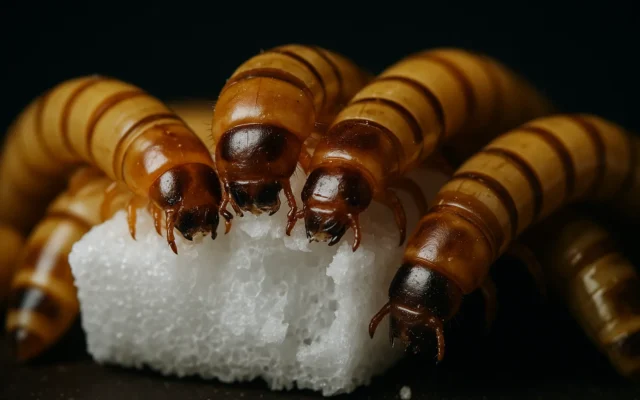
Insects vs Plastic: How Mealworms and Wax Moths Biodegrade Polymers
Certain insect larvae eat plastic and digest part of it. A 2024 review in the Journal of Environmental Management covers…
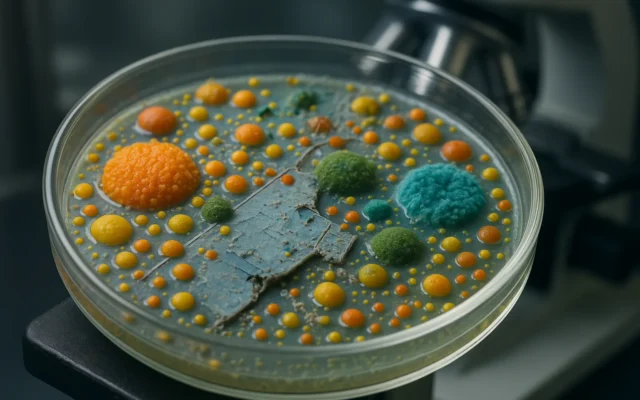
How Bacteria Eat Plastic: The Biochemistry of Biodegradation
Plastic is in the oceans, in soil and in the air, and some microorganisms have evolved to eat it. A…
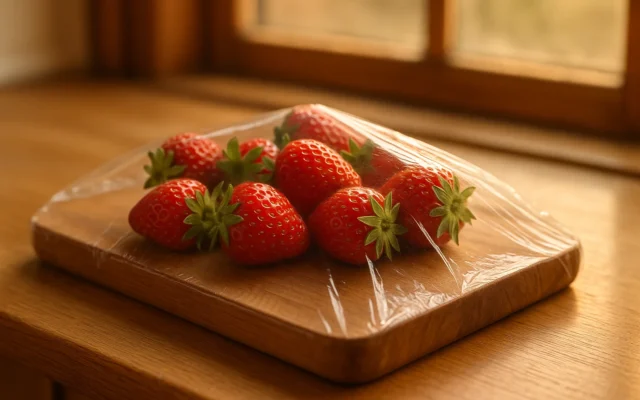
Transparent Cellulose-Glycerol Films: A New Option for Food Packaging
Two cheap, abundant materials, cellulose and glycerol, make a transparent flexible film that is cleared for direct food contact. A…
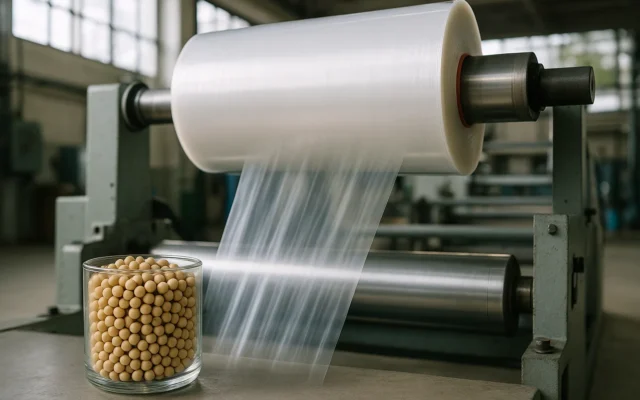
From Soy Waste to Bioplastic Film: An Industrial Proof of Concept
Soy processing produces huge volumes of whey, a protein-rich wastewater that costs money to treat and is normally thrown away.…