A pilot system has converted CO2 dissolved in ocean water directly into PHA bioplastic using engineered marine bacteria. The ocean CO2 bioplastic process, funded by ARPA-E, exploits a fact worth knowing: seawater holds roughly 150 times more CO2 than the air above it. Extracting it makes plastic and reduces ocean acidification in the same step.
The ocean as a carbon source
The oceans absorb about 30% of human CO2 emissions, which is what drives acidification. Dissolved CO2 in seawater sits at concentrations equivalent to roughly 63,000 ppm against 420 ppm in the atmosphere.
The university consortium behind this work asked what else that carbon could do besides being stored, and answered it by feeding it to bacteria that make bio-based polymers.

Three stages
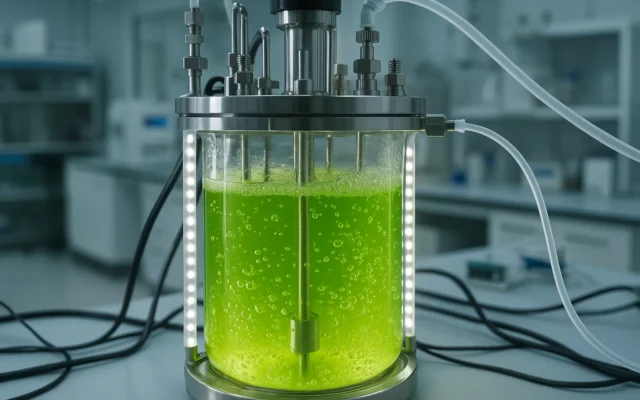
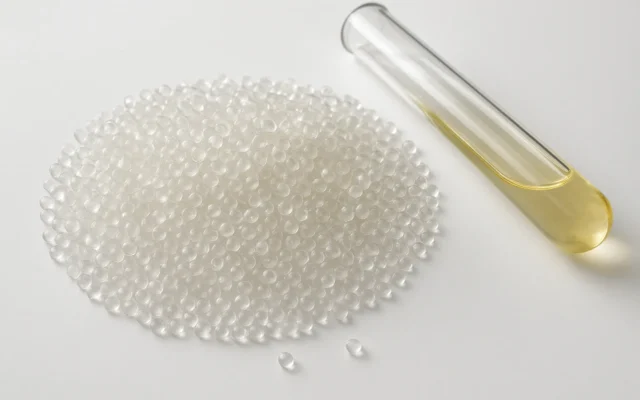
First an electrochemical module pulls dissolved CO2 out of seawater and returns the de-acidified water to the sea. Then the captured CO2 feeds engineered methanotrophic bacteria in bioreactors, which accumulate PHA to as much as 80% of their dry cell weight. Finally the cells are harvested and the PHA is extracted and pelletized.
The bioplastic that comes out biodegrades in marine, soil and composting environments, which suits it to packaging applications where leakage is likely.
Why the feedstock matters
Ocean-derived CO2 could cut PHA raw material costs by up to 60%, which is the number that decides whether PHA competes on price. A company using it could also claim carbon-negative production and an ocean restoration benefit under emerging standards frameworks.
Timeline
A larger demonstration unit is planned at a coastal site in 2027, with partners targeting competitive PHA pricing by 2029. How PHA compares with other materials is covered in our Knowledge Zone.